A journey from land access to entrepreneurship
By Valerie Djuissi, Land Access Coordinator and grower
The Village Agricultural Cooperative
The main goal at The Village Agricultural Cooperative is to provide a space where you can grow your cultural food because most of us are
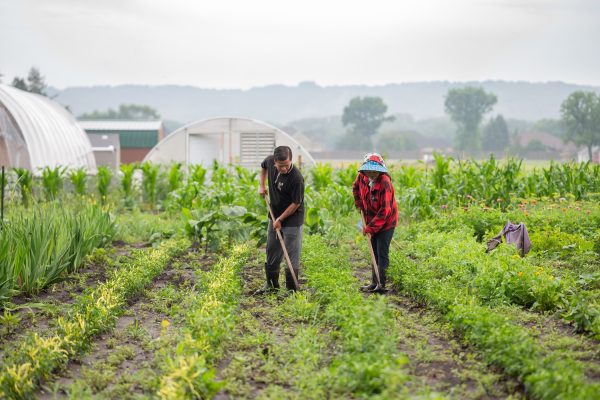
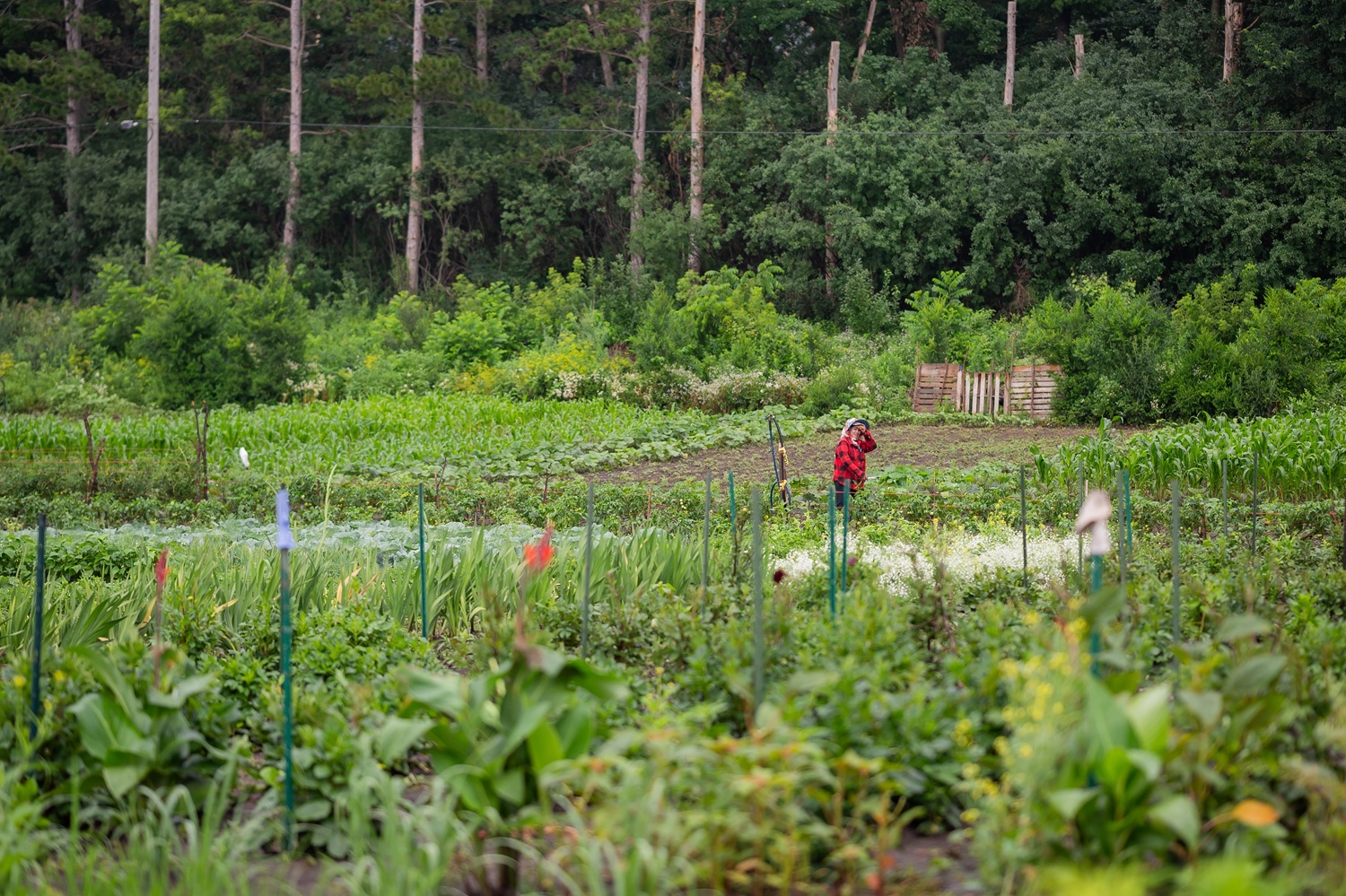
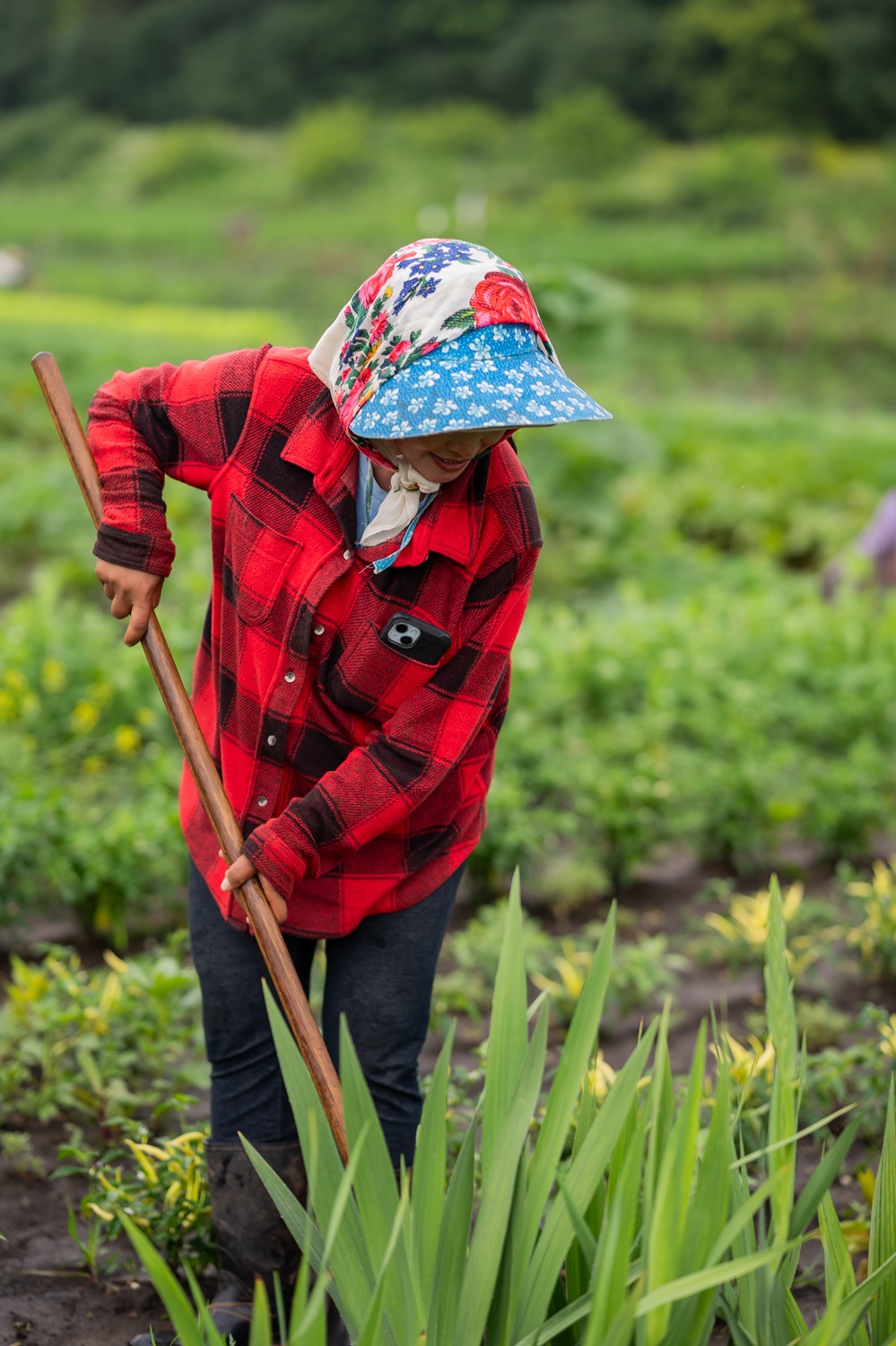
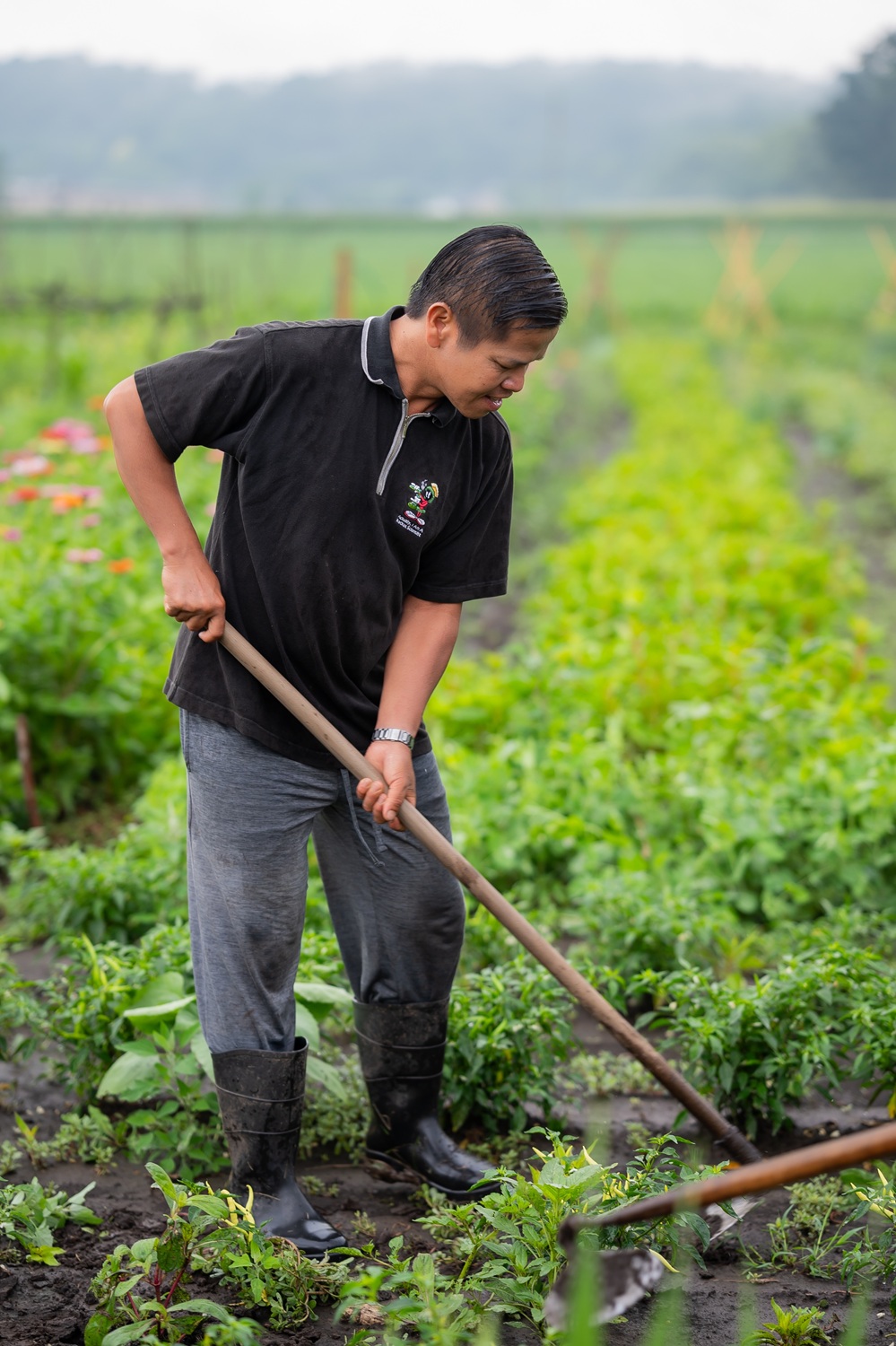
Farmers Mi Moua and Pha Lee work the soil at The Village Agricultural Cooperative.
immigrants. That culture shock is very prominent, so to be able to have a space where you can relate to is very important. Before I joined the staff, I was a grower in the Village. If I’m not at work, I’m outside in the gardens. When in the garden you meet people – it’s a community area. You might meet someone who speaks the same language as you or someone of the same color. During COVID, the garden was a meeting point because everything was locked down, so you spent more time in the garden. The land became very small.
Part of the mission of The Village is to collaborate with people from all over the world, which means our farmers come from all backgrounds and diverse cultures. We aim to build the economic power of historically marginalized communities. We welcome everybody.
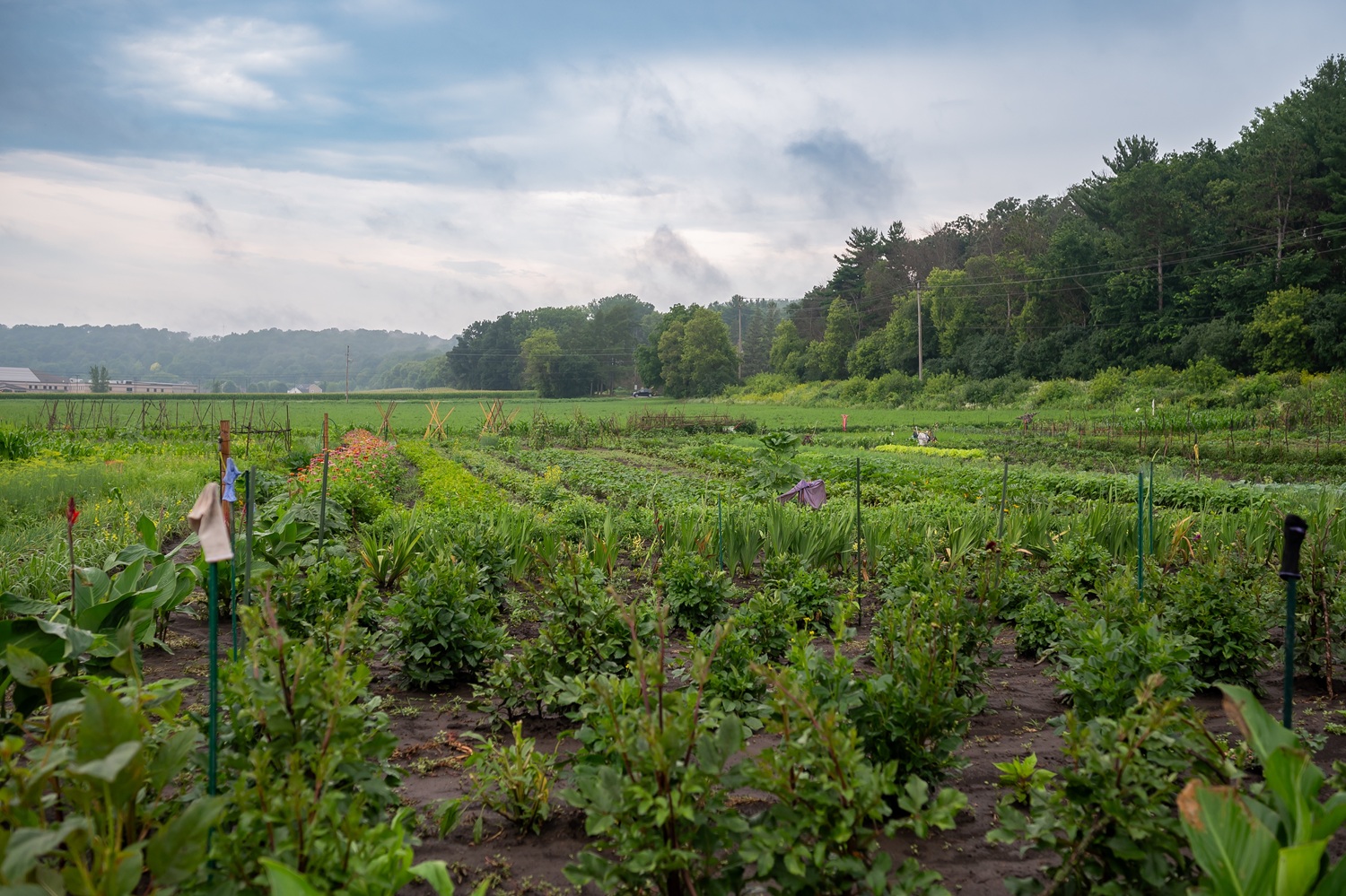
We get land from underutilized urban areas like churches. We have several plots on church land and one at the history center. These plots are spread out around the city which makes it easier for the community because we have many immigrants who have no means of transportation. When we look for land, we try to find a location so that transportation is not a barrier to them.
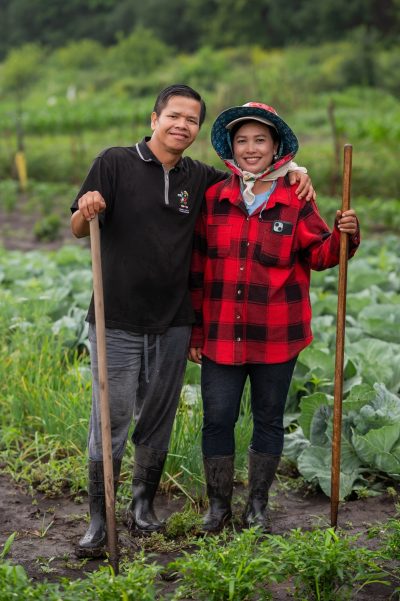
Mi Moua and Pha Lee have been able to earn an income and give back to their community by growing crops at The Village.
Originally, the goal of The Village was to provide gardens for families. After filling the freezer for the winter, many farmers still had food, so then they came to us wanting more land and more opportunities. Some of our farmers, their income is not that high, so they are looking at ways to improve their livelihoods to make a living out of the farm. The food that is leftover after growing for the family can be sold to increase their income.
Moving from agriculture for families to agriculture for market, we see a big jump that is needed in education. It’s important for us to identify all of the education needed so they have a good experience while they’re farming. We talk about resources that the USDA offers to farmers. We talk about record-keeping and taxes, and the process that is needed to be able to afford the land. We’ll be talking about how to wash and package food too, and how to go from growing on a small area to a large area. If you are going to produce 100 pounds of carrots, we educate on how many carrots you actually need to plant.
During COVID, people expressed the need to have more land. Every year we have more immigrants coming who want the space. With the first Inclusive and Equitable Entrepreneurial Communities Grant we got from SMIF, we were able to double the acreage of our land from five acres to 10 acres. This helped us get more land for the community. Some people with multi-generational homes were able to get two plots to garden because one plot was not enough to feed the family.
“We are so happy and filled with joy to have a plot of land to grow our own food. We can grow our own vegetables instead of buying them from the stores. In addition, we can sell them for income since we do not work. This impacts our daily life in many ways. First, it provided income for our family to pay for our mortgage and bills. Second, it gave us the opportunity to give to the poor and the needy in our community. Third, it allowed us to give to charity organizations or food shelters. We just purchased a home for our family in 2022 because we had access to land in Rochester. We are so happy and feel more at home now than before. We will be staying here for a long time.”
-Farmers Mi Moua and Pha Lee
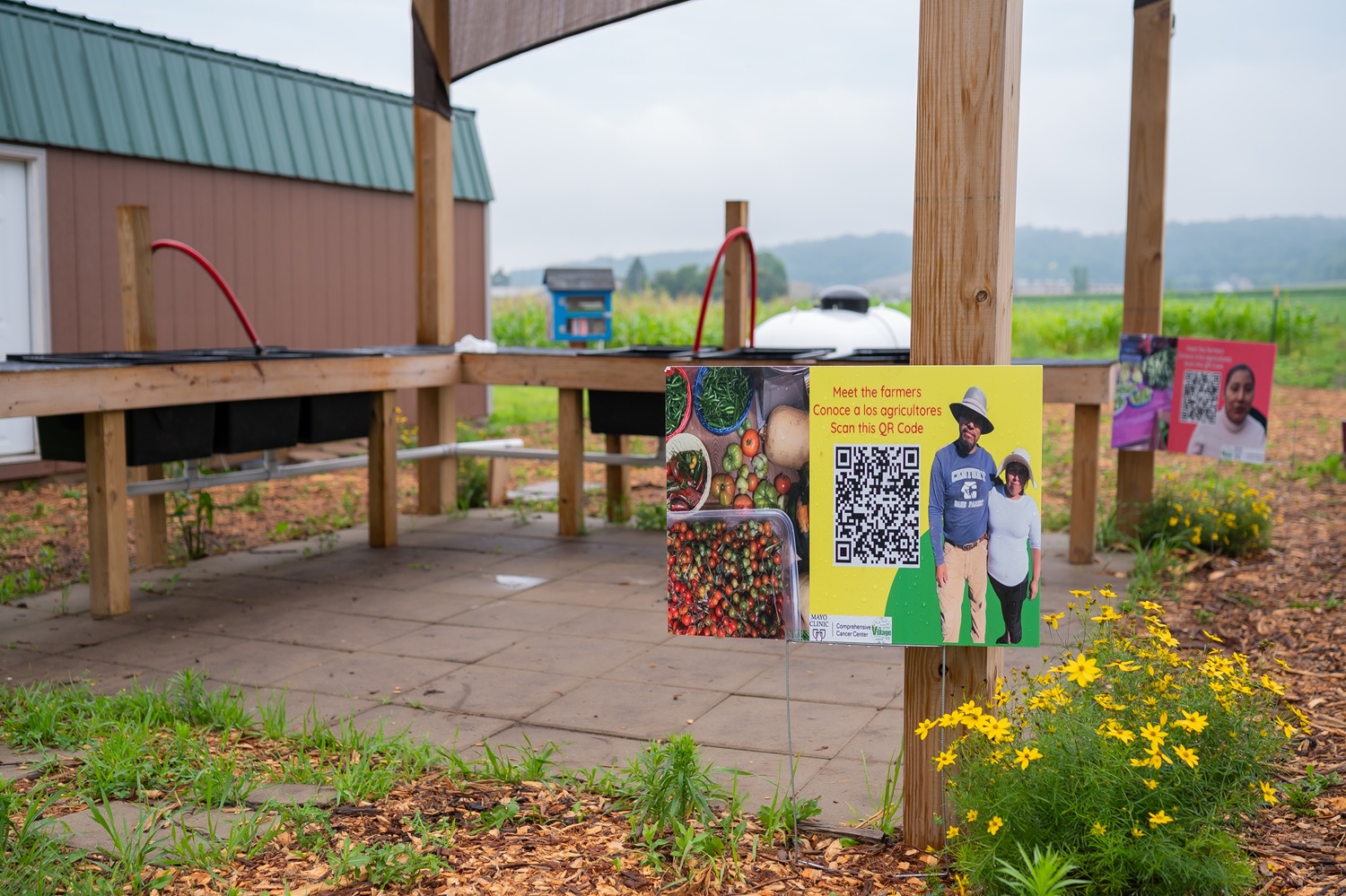
Some of the farmers bring their children to the farm or the farmers market. We got 400 English books and 25 Spanish books from a SMIF Early Literacy Grant that we gave to the children. There are little play areas by the fields where we have sunscreen and books in a little library, so while the parents are working, the children can sit and read. During the market last year, the books were brought out and families and parents read the books. One woman came every day to read with the kids so that the parents would have their hands free for the market. Some of the books were about cultural differences and some were history books. Many of our immigrants don’t speak English but their children go to school and learn how to speak. Their parents also get an opportunity to learn through those books.
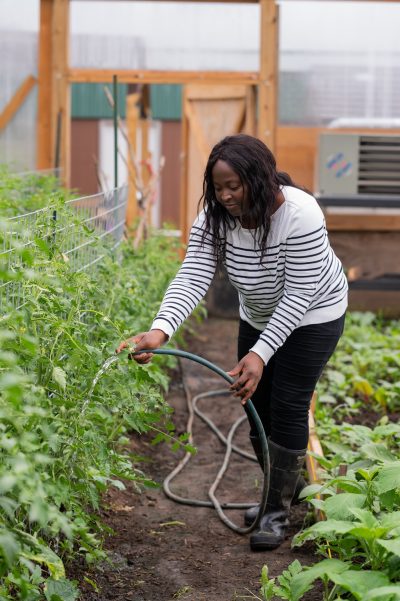
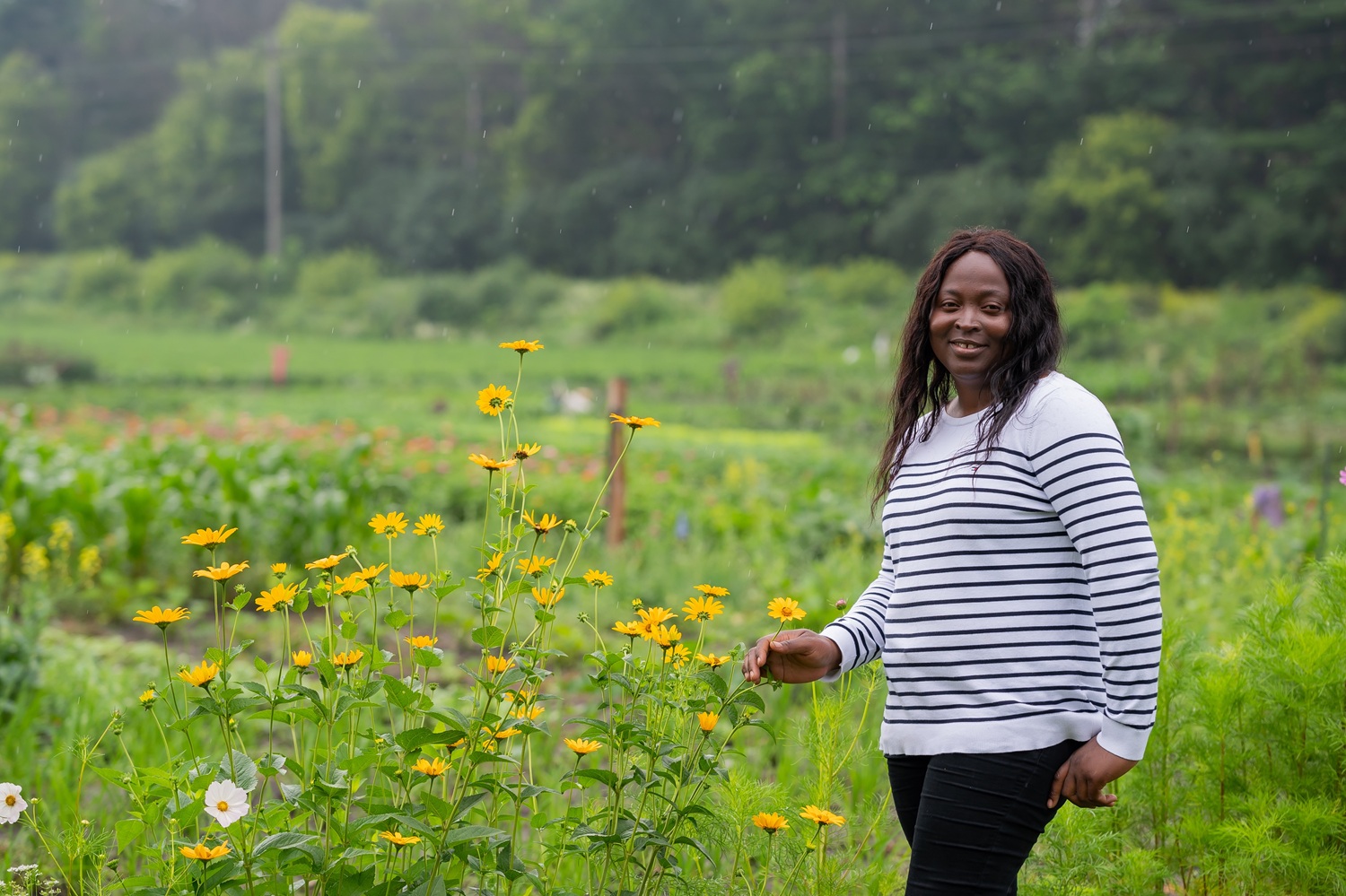
Valerie Djuissi helps The Village connect to immigrants in the Rochester area, and helps seek land for farming. She is also a grower herself at The Village.
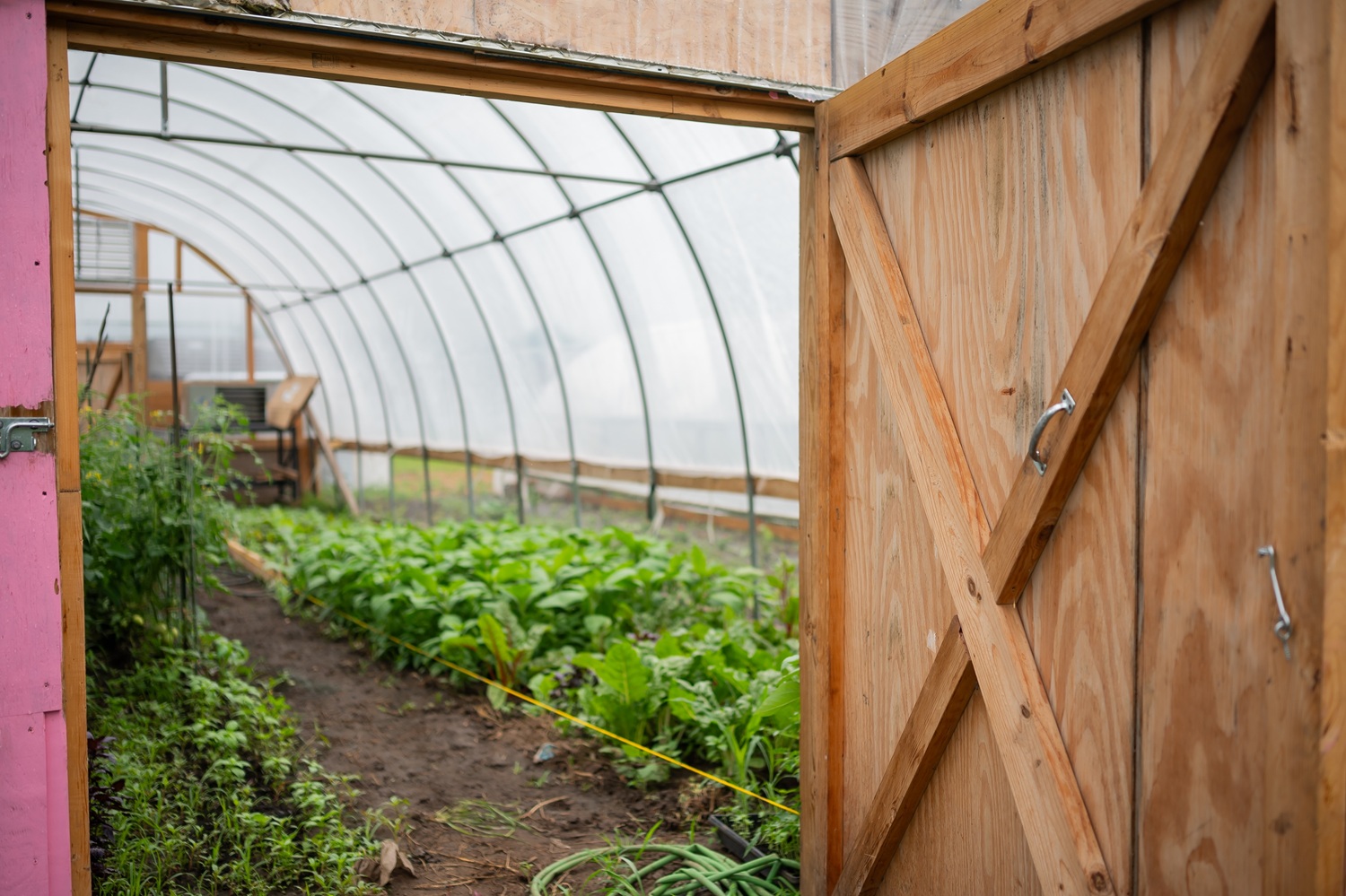
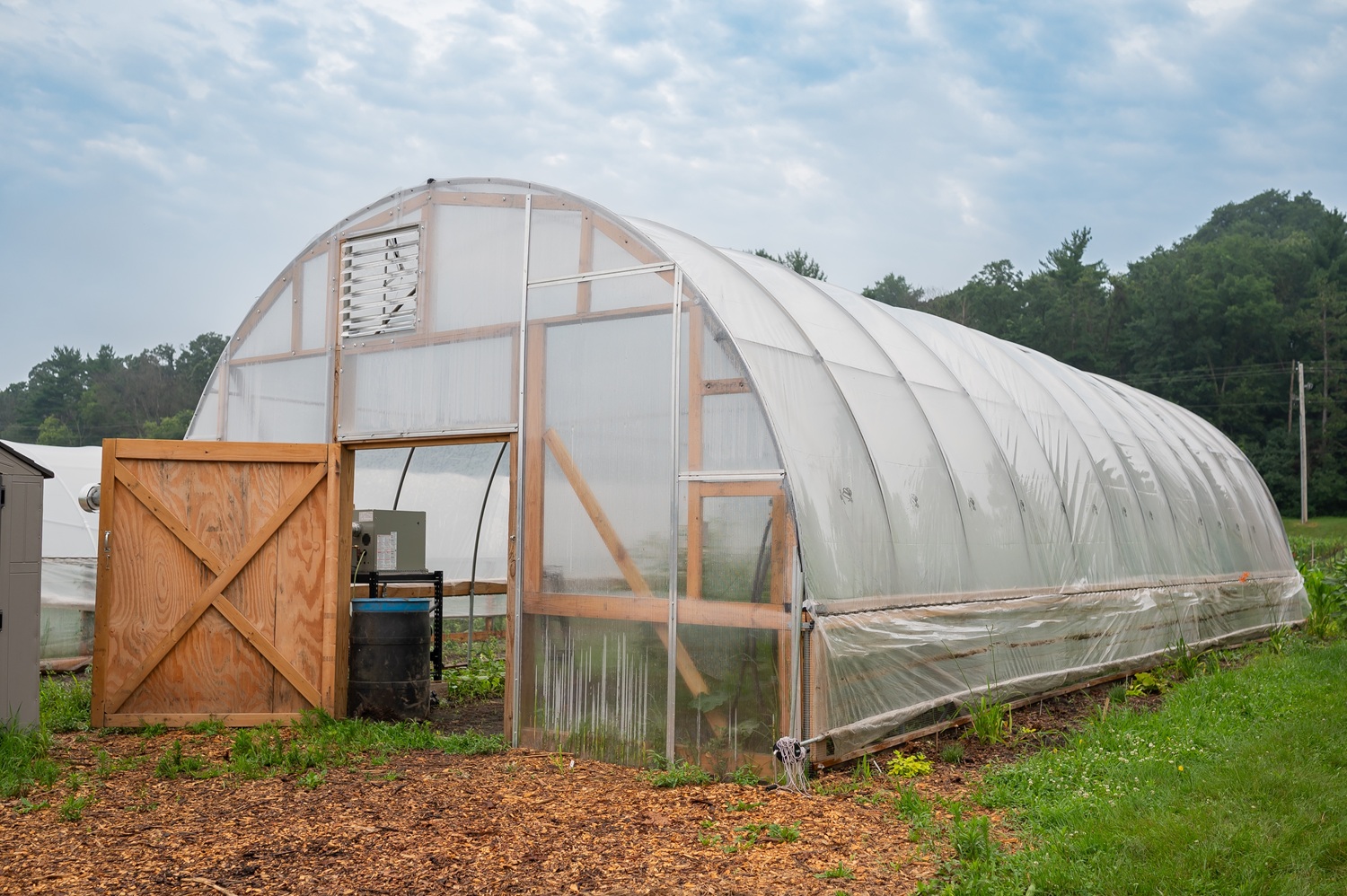
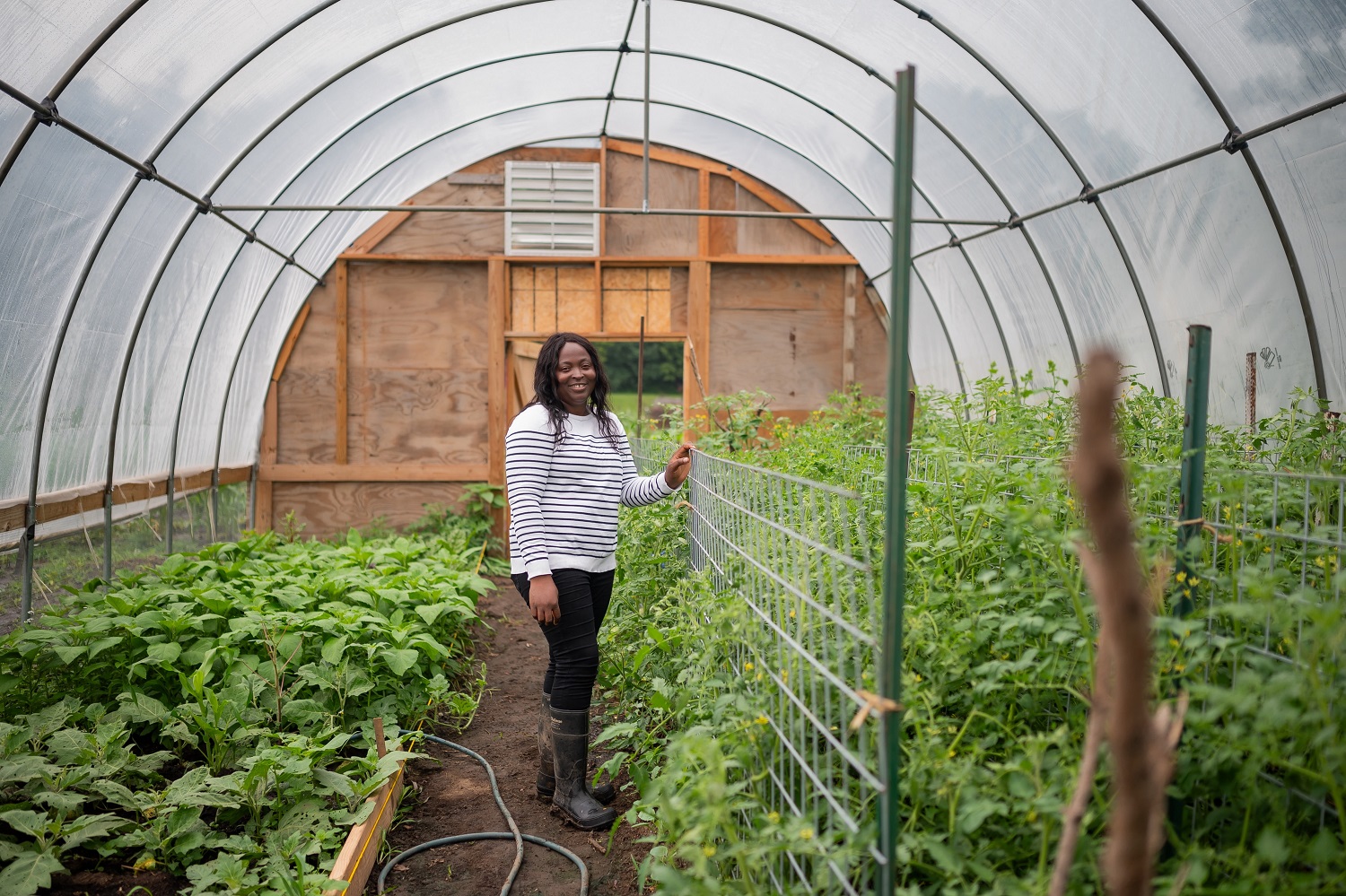
We also have two greenhouses now with help from another Inclusive and Equitable Entrepreneurial Communities Grant. The first one is used for education. We grow food and everyone is welcome to look inside. If they have questions on how to maintain the plants and how to grow food in the greenhouse, they are welcome to come in. A couple of farmers took advantage of starting their seedlings over the winter in the greenhouse so they can transfer their plants outside. Buying seed is cheaper than buying seedlings. We provided them with all of the tools needed, and water.
The second greenhouse was put in last fall. It was used all winter. We did research with Hmong farmers who were looking at different types of Asian greens like Bok choy, spinach, broccoli, and what they could do to have early vegetables for the market before everybody else. When you have early or late vegetables you can sell them at a higher price.
When talking to the farmers, they said they would not personally go out looking for a market to sell their food. The farmers are focused on producing – they can’t be in the field and out looking for ways to sell. One of the SMIF grants has helped us hire a Distribution Manager for The Village, and they are finding markets for the farmers to sell because it’s very difficult for new farmers to sell directly. The Distribution Manager now does the selling on their behalf. We have a name out there and people are aware of what we’re doing. It’s for the Distribution Manager now to make sure that all of the produce finds a destination.
These grants have helped the farmers feel welcome because they can access supplies and infrastructures that were previously out of reach.
This story is from SMIF’s 2024 Impact Report. To read the other stories from the report, and to view maps showing the impact of these programs, visit smifoundation.org/impactreport.